
Self Paced Courses
Short Courses for Nurses and Care Professionals
Nursing Solutions Group provides flexible short courses for nurses, support workers and care professionals looking to strengthen their knowledge and continue their professional development. Our self-paced carer training can be completed online anytime and anywhere, making it easier to fit learning around work and other commitments. Covering practical areas including infection control, medication competency, PPE and hand hygiene, SIRS, waste management and psychosocial care, our nursing training focuses on relevant knowledge that can be applied in real-world care environments. With accessible online learning and industry-relevant course content, participants can build confidence, stay up to date with care standards and continue developing the skills needed to provide safe, high-quality support.
Our self paced courses are designed to fit around your schedule, making learning flexible and accessible for busy professionals. This approach to training allows you to complete your course anytime, anywhere, without the pressure of fixed class times. Whether you are balancing work, family, or other commitments, our self paced learning ensures you can continue developing your skills in a way that suits your lifestyle while still gaining high-quality, practical knowledge.
These courses are built to support real-world application, helping support workers build confidence and capability in their roles. Each module is designed to be clear, engaging, and relevant, ensuring the training you complete can be applied directly to everyday care situations. By focusing on practical outcomes, our courses help learners feel prepared, supported, and confident when delivering care to individuals with a range of needs.
Our training is ideal for Independent support workers and anyone working with vulnerable people who need to meet compliance requirements. The flexible, self paced format makes it easier to stay up to date with industry standards while continuing to work. By completing these courses, support workers can strengthen their knowledge, improve the quality of care they provide, and meet essential training expectations with confidence.
Self paced courses

Infection Control
- Self-paced | Online | Start anytime
$15.00
Protecting Yourself, Protecting Others
Build the confidence to recognise infection risks, take the right precautions and respond appropriately to help prevent the spread of infection.
The course consistently centres on recognising risks, protecting people, reporting concerns, documenting accurately and monitoring for changes.
⏱ 45 mins | 💻 Online | 🏆 Certificate on completion
Read more
- Recognise common infection risks and signs that something may be wrong
- Understand how infections can spread and how everyday actions can reduce transmission
- Apply appropriate infection prevention precautions in care settings
- Use hand hygiene and PPE appropriately
- Identify environmental and workplace infection risks
- Respond appropriately to potential outbreaks, exposure incidents and infection concerns
- Understand when concerns need to be reported or escalated
- Support safer care through appropriate reporting, documentation and monitoring

Mealtime Management - IDDSI
- Self-paced | Online | Start anytime
This module is available on request.
Contact us for pricing
This module enhances your understanding of bowel anatomy and function and highlights the importance of consistent bowel routines in maintaining overall health. You will learn to recognise the signs of constipation, impaction or bowel obstruction and how to assist with prescribed interventions such as enemas, suppositories or digital stimulation under clinical guidance. The session also emphasises dignity, privacy and accurate documentation when managing complex bowel care.

Medication Competency
- Self-paced | Online | Start anytime
This module is available on request.
Contact us for pricing
This training provides the knowledge and understanding required to safely support medication administration under supervision. You will learn about medication types, the “seven rights” of medication safety, recognising side effects and the importance of accurate documentation. The course also emphasises your responsibility to promptly report medication errors or omissions and to maintain professional boundaries when supporting clients with their medication routines.
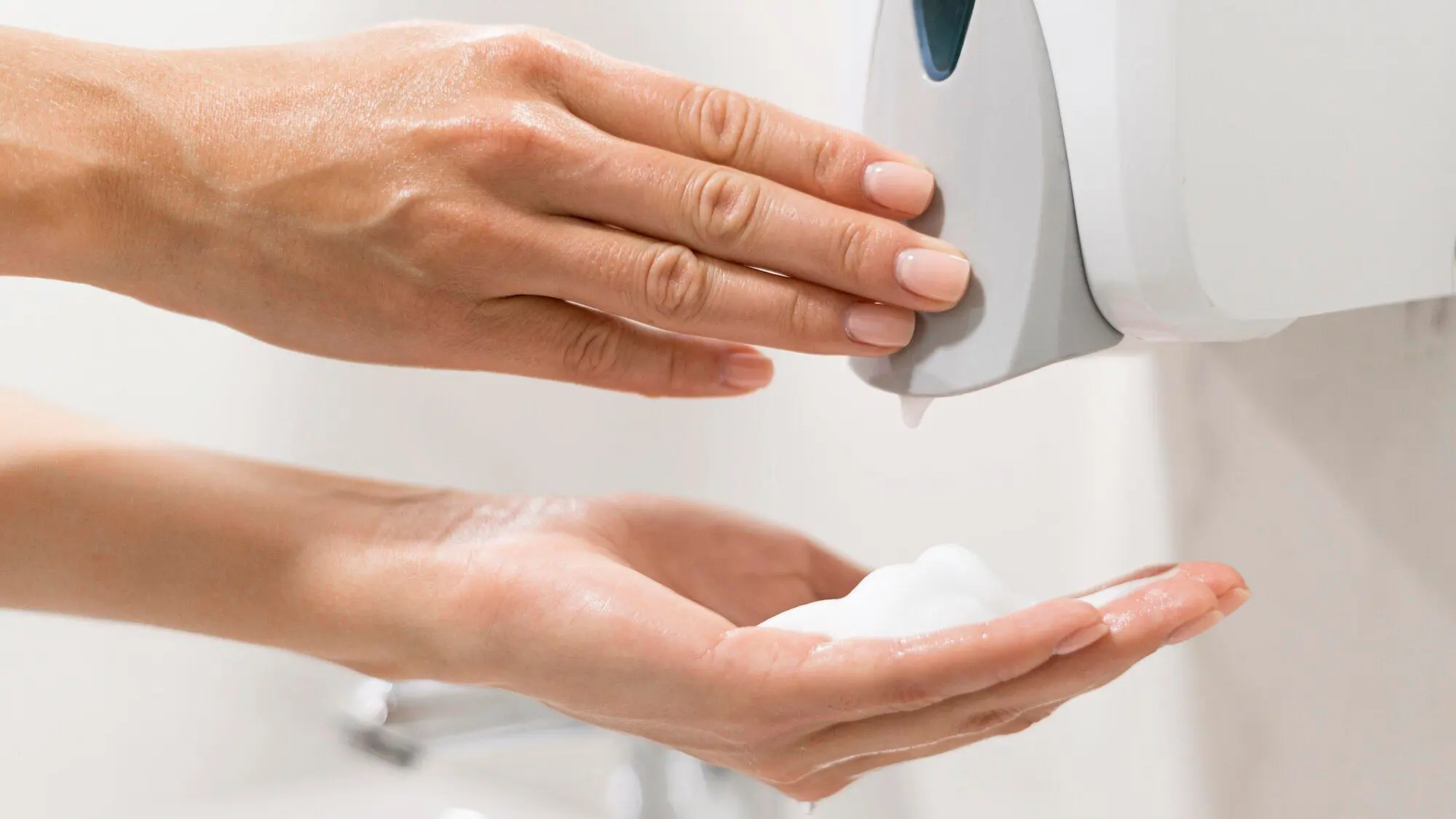
PPE and Hand Hygiene
- Self-paced | Online | Start anytime
Clean Hands. Correct PPE. Safer Care.
Stop infection in its tracks. Learn the essentials of effective hand hygiene and the correct way to put on and remove PPE, helping protect yourself, the people you support and those around you.
⏱ 30 mins | 💻 Online Exam | 🏆 Certificate on completion
Read more
Why This Matters
PPE and hand hygiene are two of the most important measures used to prevent the spread of infection. Correct hand hygiene, together with the safe use, application and removal of PPE, helps reduce the risk of contamination and protects both workers and the people they support. This is particularly important when caring for a person with an infectious disease, where incorrect PPE technique can increase the risk of infection transmission.
Knowing the correct sequence matters too. PPE must be put on and removed in the right order, with hand hygiene performed at key points during the process, to minimise the risk of contamination.
- Demonstrate the correct method for performing hand hygiene
- Demonstrate the correct order and technique for donning PPE
- Demonstrate the correct order and technique for doffing PPE
- Understand the importance of using disposable PPE correctly and replacing PPE if it becomes compromised
- Recognise the importance of following your organisation’s PPE and hand hygiene policies and procedures.

SIRS (Serious Incident Response Scheme)
- Self-paced | Online | Start anytime
$15.00
Recognise it. Respond to it. Report it.
Build the confidence to recognise abuse, neglect and serious incidents and know what to do when concerns arise.
⏱ 45 mins | 💻 Online | 🏆 Certificate on completion
Read more

Waste management
- Self-paced | Online | Start anytime
Safe Waste. Safe Support. Every Time.
Safe waste management protects participants, protects workers and protects your organisation.
⏱ 45 mins | 💻 Online Exam | 🏆 Certificate on completion
Read more
Safe waste management is a key part of providing safe, respectful and professional support in NDIS home and community settings. Support workers may encounter clinical and potentially infectious waste during everyday tasks such as personal care, continence care, wound care and diabetes support. Knowing how to manage this waste correctly helps prevent infection, reduce workplace hazards, protect participant dignity and keep both workers and participants safe. It also ensures support is delivered in line with organisational procedures, WHS requirements and the NDIS Practice Standards.
- recognise common types of clinical and infectious waste
- apply standard precautions, hand hygiene and appropriate PPE
- safely manage bodily waste
- correctly dispose of sharps and recognise when a sharps container must be replaced
- respond appropriately to a needle stick injury
- understand your scope of practice and when to stop and escalate
- maintain participant dignity and privacy during waste disposal
- identify and report environmental waste hazards
- correctly segregate waste according to organisational procedures

NDIS Care Plans Made Simple
- Self-paced | Online | Start anytime
FREE
Know the plan. Support with confidence.
Because safe, consistent and person-centred support starts with understanding the plan.
⏱ 45 mins | 💻 Online Exam | 🏆 Certificate on completion
Read more
- Explain what an NDIS care plan is and why it is important
- Identify the key information contained within a care plan
- Recognise which information is most relevant to your role as a support worker
- Read a care plan in a clear and practical order
- Identify risks, alerts, health information and support instructions
- Understand participant goals, preferences, routines and individual support needs
- Recognise when a care plan may be outdated or no longer reflect the participant’s needs
- Understand who contributes to and updates care plans
- Know your responsibilities when a participant’s needs or condition change
- Work safely within your training, competency, authorisation and scope of practice
- Know what to do when care plan instructions appear incorrect, unclear or unsafe
- Document observations, changes and concerns clearly and objectively
- Understand your responsibilities for privacy and confidentiality when accessing and sharing care plan information

Psychosocial Care Skills for Workers
- Self-paced | Online | Start anytime
Recognise. Respond. Support with confidence.
Build the practical skills to provide safe, respectful and person-centred support to people experiencing psychosocial disability or emotional distress.
⏱ 45mins | 💻 Online | 🏆 Certificate on completion
Read more
- Understand psychosocial disability and recovery-oriented support
- Recognise signs of emotional and mental distress
- Use effective communication and de-escalation strategies
- Apply trauma-informed approaches
- Know when concerns need to be reported or escalated
- Understand duty of care and safeguarding responsibilities
- Maintain safe professional boundaries
- Document psychosocial observations objectively
- Support participant wellbeing while also maintaining worker wellbeing

Inclusive Language
- Self-paced | Online | Start anytime
FREE
Read more
Diabetes 2
- Self-paced | Online | Start anytime
This module is available on request.
Contact us for pricing
Recognise the Signs, Respond with Confidence
Build the confidence to support people with diabetes safely, recognise changes in their condition, follow individual care plans and escalate concerns appropriately.
The course consistently centres on recognising risks, protecting people, reporting concerns, documenting accurately and monitoring for changes.
⏱ 60 mins | 💻 Online Exam | 🏆 Certificate on completion
Read more
- Understand diabetes mellitus and the differences between Type 1, Type 2 and gestational diabetes
- Recognise common symptoms, causes, risk factors and complications
- Understand the purpose of blood glucose monitoring, including SMBG, CGM and flash glucose monitoring
- Explain the role of a support worker in daily diabetes management, including monitoring, routines, education, emotional support and safety
- Understand the importance of individual diabetes care plans and following the instructions, target ranges and response actions documented within them
- Recognise when a person’s condition or blood glucose readings require escalation, clinical advice or emergency assistance
- Follow appropriate escalation pathways, including documenting and reporting concerns, seeking advice from relevant healthcare professionals and calling 000 when a medical emergency is identified
- Understand key principles of diabetes medications and insulin administration
- Apply safe sharps handling and disposal practices
- Understand carbohydrate counting, meal planning, portion control and hydration
- Recognise hypoglycaemia and hyperglycaemia and respond using the person’s care plan and the emergency actions covered in the course.
Frequently Asked Questions
Who are the self-paced short courses suitable for?
Our self-paced courses are suitable for nurses, support workers and care professionals looking to strengthen their knowledge and continue their professional development. The flexible online format makes the courses easy to complete around existing work and personal commitments.
What short courses for nurses are available?
Nursing Solutions Group offers short courses for nurses and care professionals covering practical topics including infection control, medication competency, PPE and hand hygiene, SIRS, waste management, psychosocial care skills and other important areas of care.
How does the online carer training work?
Our carer training is delivered online and is self-paced, allowing participants to work through course content at a time and pace that suits them. This provides greater flexibility for people balancing training with work and other commitments.
Can I complete nursing training while working?
Yes. The self-paced online format makes it easier to complete nursing training alongside existing work commitments. Participants can access the learning online without needing to attend scheduled face-to-face classes.
What are the benefits of completing self-paced training?
Self-paced training gives nurses and care professionals greater flexibility and control over their professional development. The courses focus on relevant care topics and practical knowledge that can help participants build confidence and strengthen the skills they use within care environments.
Join Our Team
At Nursing Solutions Group, we are passionate about delivering high-quality care across aged care, disability and community settings in Wollongong and Nowra.
Join a supportive team that values flexibility, professional growth and making a real difference in people’s lives.