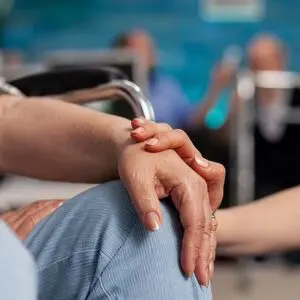
The Quiet Work of Palliative Care: Margaret’s Journey
Palliative Care Support at Home in the Illawarra and Shoalhaven
There is a different kind of care that happens when someone reaches the final stage of their life.
It is quieter.
Slower.
More deliberate.
In palliative care, the focus shifts. It is no longer about recovery or rehabilitation. Instead, the priority becomes comfort, dignity and quality of life.
At Nursing Solutions Group, we provide compassionate palliative care support at home across the Illawarra and Shoalhaven, helping people remain in familiar surroundings during one of the most vulnerable stages of life.
Margaret’s story reflects the quiet and deeply meaningful work that happens when care is centred on dignity and comfort.
For Margaret, home was where she wanted to be.
Supporting Margaret at Home
When we first began supporting Margaret, her illness had progressed to a stage where daily activities were becoming increasingly difficult.
Energy levels were low. Movement required assistance. Fatigue deepened with each passing week.
Margaret and her family were clear about one thing — they wanted her to remain at home, surrounded by familiar spaces and loved ones.
With the right home-based palliative care support, this became possible.
Our team of NDIS and community support workers began providing gentle assistance with daily routines and personal care, ensuring Margaret remained comfortable while preserving her dignity.
When Personal Care Becomes More Than a Task
In earlier stages of illness, personal care is often simply part of the day.
Showering.
Getting dressed.
Brushing hair.
Preparing for the morning.
But during end-of-life care, these moments hold much deeper meaning.
Energy is limited.
Movement becomes difficult.
Even the smallest tasks can feel overwhelming.
For Margaret, our role was to protect her comfort while maintaining her dignity.
Support included:
- Gentle bed bathing
- Safe repositioning in bed to prevent pressure injuries
- Mouth and skin care
- Assistance with toileting and continence care
- Keeping bedding clean and comfortable
- Adjusting pillows and positioning to reduce pain or pressure
Providing personal care during palliative support at home requires patience, compassion and careful attention to detail.
The pace of care slows.
Every movement becomes deliberate and respectful.
Creating Calm in the Room
When someone is nearing the end of life, the environment around them becomes incredibly important.
Families often tell us that what they remember most is not the clinical care, but the atmosphere.
A quiet voice.
Gentle hands.
A sense that nothing is rushed.
Providing palliative care at home is not about efficiency.
It is about presence.
Our support workers learn to notice subtle changes:
- When Margaret became fatigued
- When repositioning was needed for comfort
- When the room felt too busy or overwhelming
- When family members needed reassurance
Care was always adjusted to suit Margaret — not the clock.
Supporting Families Through Intimate Moments
End-of-life care can be emotionally overwhelming for families.
Many want to help but feel unsure about how to provide personal care safely.
Others are exhausted after months or even years of caring for their loved one.
Some family members step away during personal care to protect their loved one’s privacy. Others stay close, holding a hand or speaking softly.
Our role was to support both Margaret and her family.
We ensured that personal care was delivered respectfully and with dignity, while also helping the family feel comfortable and included in the process if they wished.
Organisations such as Palliative Care Australia emphasise that end-of-life care should support both the person and their loved ones.
This philosophy guides our approach to community-based palliative care support.
The Small Details That Matter
In palliative care, comfort is often found in the smallest details.
A warm cloth during a bed bath.
Fresh sheets.
A favourite blanket placed carefully.
Lip balm for dry lips.
Hair gently brushed.
These simple acts can make a profound difference.
For Margaret, these moments helped her feel cared for, respected and comfortable.
For her family, they provided reassurance that she was being supported with kindness.
Working Alongside Health Professionals
Providing palliative care support at home in NSW is never done alone.
Support workers are part of a broader care team that may include:
- Community nurses
- Palliative care specialists
- General practitioners
- Allied health professionals
- Family carers
Clear communication ensures that any changes in comfort, breathing, pain or mobility are reported quickly.
This collaboration allows people like Margaret to remain safely at home while receiving the care they need.
The Privilege of Being Present
Providing personal care during palliative support is one of the most meaningful roles in community care.
Support workers understand that they are entering a deeply private moment in someone’s life.
For Margaret, these final months were filled with quiet conversations, gentle care and the presence of family.
It is a privilege we never take lightly.
Why Personal Care Matters at the End of Life
When someone is nearing the end of life, comfort becomes everything.
Feeling clean.
Feeling supported.
Feeling safe.
Providing dignified personal care during palliative care at home helps preserve wellbeing and dignity during this stage of life.
For families, knowing their loved one is being cared for gently and respectfully brings enormous peace of mind.
Supporting Palliative Care Across the Illawarra and Shoalhaven
At Nursing Solutions Group, we support people requiring palliative care, complex care and home care services across the Illawarra and Shoalhaven region.
Our experienced NDIS support workers and community care team work alongside families, nurses and healthcare professionals to ensure people can remain comfortable, supported and surrounded by familiar environments in their own homes.
Because when someone reaches the final chapter of life, care should slow down.
It should be gentle.
And it should honour the person.
Just as we honoured Margaret.